
Our Products
We are committed to sourcing 100% of our coffee beans from ethical, sustainable farms.
Sale!
Sale!
Sale!
Sale!
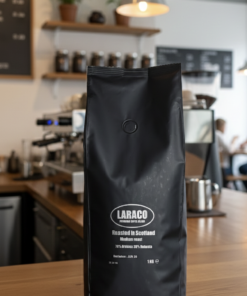
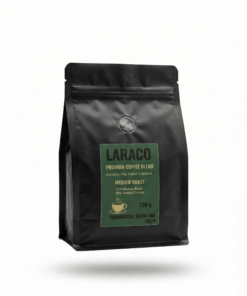
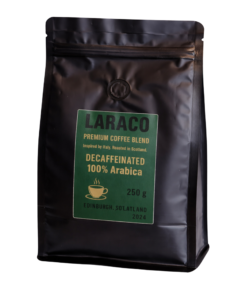
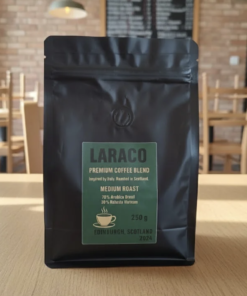
Your Brand. Our Roast. Shared Passion.
We roast coffee for ourselves — and for independent cafés that care about quality, consistency, and connection.
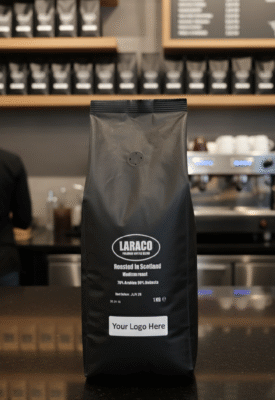
Our co-branded roasting program gives you the opportunity to offer your own signature coffee — roasted by us and proudly carrying your café’s name on the packaging. Our name stays on too, as a mark of authenticity and craftsmanship.
Why Co-Branded Coffee?
Because partnership matters.
We believe in transparency and collaboration. Your café deserves a product that feels personal — not just another anonymous “white label.”
With co-branded roasting, you get:
Your café name featured on the packaging
A proven, high-quality blend roasted fresh for you
The support of an experienced roastery behind every batch
A product your customers will love, time after time
Our Signature Blend
Every bag we roast starts with the same foundation: a carefully balanced blend of
70% Brazilian Arabica and 30% Vietnamese Robusta beans.
We developed this blend after extensive research and testing across the UK coffee market. The result? A cup that reflects what coffee drinkers here love most — smooth, rich, and satisfying, with natural sweetness from Arabica and a bold depth from Robusta.
This isn’t just a blend we like — it’s one that customers choose again and again. It delivers great flavour, perfect body for milk-based drinks, and consistency that keeps people coming back
Why Work With Laraco?
Freshly roasted coffee, supplied directly from the roastery
Consistent blends designed for cafés and commercial use
Competitive wholesale pricing
Reliable UK delivery
Personal support from an experienced roasting team
We believe great partnerships are built on transparency, trust, and quality.
Co-Branded & Wholesale Options
We offer flexible solutions depending on your needs:
Wholesale coffee supply for cafés and hospitality businesses
Co-branded coffee with your café name on the packaging
Support with menu development and coffee selection
Scalable volumes as your business grows
Our goal is to help you serve coffee your customers come back for — every time
Request Wholesale Pricing
If you’d like to:
Receive our wholesale price list
Learn more about co-branded coffee
Discuss volumes, blends, or delivery options
Please complete the form below and a member of our team will be in touch shortly
Contact Us
📬 Ready to Connect?
Please fill out the form below, and our team will get back to you as soon as possible.
📧 Email: info@laraco.co.uk
📞 Phone: +447704173721
Do you sell coffee directly to customers or only to businesses?
We currently focus on wholesale partnerships and work directly with cafés, restaurants, and resellers. If you’re a business interested in offering Laraco coffee, you can apply for access through our registration form.
Where is your coffee sourced from?
Our coffee beans are 70% Brazilian Arabica and 30% Vietnamese Robusta beans.
How many cups of coffee a day is safe?
Most healthy adults can safely consume up to 400mg of caffeine daily. This is roughly equivalent to four standard cups of brewed coffee. Individual tolerance varies depending on age, body weight, and sensitivity to caffeine.
How much caffeine is in a cup of coffee?
A standard 240ml cup of coffee contains between 80 and 100mg of caffeine. The exact amount depends on the coffee bean variety, roast level, brewing method, and serving size. Espresso contains around 63mg of caffeine per shot, while filter coffee often contains more caffeine per serving.
Does decaf coffee have caffeine?
Yes, decaf coffee still contains a small amount of caffeine. Most decaffeinated coffee contains between 2 and 7mg of caffeine per cup, compared with around 80 to 100mg in regular coffee.
Do you offer custom blends or private label options?
Yes! We provide custom coffee blends and private co branding label solutions for select partners. Whether you’re a café looking for a signature roast or a retailer seeking branded packaging, we’re happy to collaborate.
Is coffee bad for you?
For most healthy adults, coffee can be part of a balanced diet and may even provide health benefits. Research suggests moderate coffee consumption may support alertness, concentration, and physical performance. Most health authorities consider up to 400mg of caffeine per day safe for healthy adults
How many calories are in black coffee?
Black coffee contains approximately 2 calories per cup. Most calories in coffee come from added milk, cream, sugar, syrups, or flavourings rather than the coffee itself.
What is the difference between a latte and a flat white?
A latte contains espresso and steamed milk with a thin layer of foam. A flat white also contains espresso and steamed milk but has less foam and a stronger coffee flavour. Flat whites typically have a higher coffee-to-milk ratio.
Does coffee dehydrate you?
Coffee does not cause significant dehydration when consumed in moderation. While caffeine has a mild diuretic effect, the water content in coffee generally offsets this effect. Regular coffee drinkers develop a tolerance to caffeine’s diuretic properties.
How do you make cold brew coffee at home?
To make cold brew coffee, combine coarsely ground coffee with cold water and steep for 12 to 24 hours. Strain the coffee and serve over ice. Cold brew produces a smooth, less acidic flavour compared with traditional hot brewing methods.
Is espresso stronger than regular coffee?
Espresso is stronger by volume because it is more concentrated. However, a full cup of filter coffee often contains more total caffeine than a single shot of espresso because the serving size is larger.
What is the best water temperature for brewing coffee?
The ideal brewing temperature is between 90°C and 96°C. Water that is too hot can over-extract the coffee and create bitterness, while water that is too cool may produce weak or sour flavours.
What is the difference between Arabica and Robusta beans?
Arabica beans are known for their smooth, sweet, and complex flavours. Robusta beans contain more caffeine and often have a stronger, earthier taste. Arabica is generally considered higher quality and accounts for most specialty coffee production worldwide.
Does light roast or dark roast coffee have more caffeine?
Light roast coffee typically retains slightly more caffeine by weight than dark roast coffee. However, the difference is relatively small and often not noticeable in a standard cup.
Why does my coffee taste bitter?
Coffee usually tastes bitter when it is over-extracted. Common causes include grinding too finely, brewing for too long, using water that is too hot, or using too much coffee relative to the amount of water.
How should coffee beans be stored to keep them fresh?
Store coffee beans in an airtight container away from heat, light, moisture, and strong odours. Avoid storing coffee in the refrigerator, as moisture can affect flavour and freshne
What does single-origin coffee mean?
Single-origin coffee comes from one specific farm, region, or country. It often showcases unique flavour characteristics that reflect the local climate, soil, and growing conditions.
How long do coffee beans last?
Whole coffee beans typically maintain peak freshness for 2 to 6 weeks after roasting when stored correctly. While coffee remains safe to drink for longer, flavour and aroma gradually decline over time
What are the best coffee beans for espresso?
The best coffee beans for espresso are freshly roasted beans with a medium to dark roast profile. Many espresso lovers prefer high-quality Arabica beans or blends that provide balance, sweetness, body, and a rich crema.
How much coffee per cup should I use?
A common guideline is 15 to 18 grams of coffee per 250ml of water. Adjust the ratio according to your preferred strength and brewing method.
What is the difference between washed and natural coffee?
Washed coffee has the fruit removed before drying, resulting in a cleaner and brighter flavour. Natural coffee is dried with the fruit still attached, creating sweeter and fruitier flavour profiles.
Coffee can make some people feel tired after the caffeine effect wears off. This is sometimes called a caffeine crash. Poor sleep, dehydration, excessive caffeine consumption, or individual sensitivity can also contribute to feelings of tiredness after drinking coffee.